How exactly does a hot air balloon flight work?

A hot air balloon flight works on a simple physics principle: warm air is lighter than cold air, which makes the balloon rise as soon as the pilot heats the air in the envelope with the burners. At Ballonnetjevaren.be, that process starts with a thorough weather assessment — wind direction, wind speed, visibility and temperature determine whether a safe flight is possible, which is why flights usually happen early morning or towards sunset when the air is calmer. On site, the basket is laid out, the balloon is unrolled and inflated with fans and burners until it stands upright. After a short safety briefing, you climb aboard and the balloon takes off gently and without jolts — no steering wheel, but altitude control: the pilot searches different heights for the most favourable wind direction. After about an hour, the pilot chooses a safe landing field, usually an open meadow, where the flight ends calmly and under guidance.
In this article
- • How does a hot air balloon flight work from start to finish?
- • Why does a hot air balloon actually rise?
- • What do you notice as a passenger during the flight?
- • How long does a hot air balloon flight really take?
- • Is a hot air balloon flight safe?
- • How does landing work?
- • When is a hot air balloon flight most suitable?
- • What do you need to do yourself before departure?
Anyone looking at a hot air balloon for the first time mostly sees magic. A huge, colourful balloon rises almost silently, floats above fields and villages, and seems to effortlessly find its way. Yet behind that calm image lies real craftsmanship. Anyone wondering how a hot air balloon flight works soon discovers that experience and technique come together perfectly.
How does a hot air balloon flight work from start to finish?
A balloon flight starts well before the actual take-off. The pilot closely follows weather conditions and only decides once conditions are good enough to fly safely. A balloon has no steering wheel like a car or plane, so the weather partly determines how the flight unfolds.
That’s why balloon flights usually depart early in the morning or towards evening. At those times, the air is often calmer and more stable. In the middle of the day, sun warmth and thermals more often cause unsettled air layers.
At the agreed location, the equipment is set up. The basket is laid out, the balloon is unrolled on the field, and large fans first blow cold air in. As soon as the balloon takes shape, the pilot uses the burners to further heat the air in the envelope. Warm air is lighter than cold air, and that simple physics principle is exactly what makes a hot air balloon rise.
Once sufficiently inflated, the balloon slowly stands upright. That moment often makes an impression. What was, minutes earlier, a large piece of fabric on the grass, suddenly turns into an imposing aircraft. Passengers then get a short briefing: how to board, how to hold on, what to do during landing, and especially what not to do.
Why does a hot air balloon actually rise?
The technology behind ballooning is surprisingly elegant. The warm air inside is less dense than the cooler outside air, creating lift. By adding more heat with the burners, the balloon continues to rise. If the pilot lets the air in the balloon cool, it descends gradually.
The pilot therefore doesn’t steer left or right with a wheel. Direction depends on the wind. What the pilot does is play with altitude. At different heights, the wind can have a different direction or speed. By climbing or descending, the pilot searches for the most favourable air layer.
What do you notice as a passenger during the flight?
The first thing that stands out is the calm. Despite the burners, which are occasionally powerfully audible, a balloon flight feels remarkably quiet. Between burns, you mostly hear the sounds of the surroundings: birds, a dog in the distance, sometimes voices of people looking up.
The view, too, is experienced differently than from a plane. You’re not behind a small window, but standing in open air. You see church towers, winding roads, fields and gardens from a whole new perspective.
How long does a hot air balloon flight really take?
Many people only think of the time in the air, but the total experience lasts longer. The actual flight often takes about an hour, depending on weather and route. Before that comes preparation on the field, and afterwards of course landing and packing up follow.
Is a hot air balloon flight safe?
A professional provider takes no risks with uncertain weather. The equipment is also carefully checked. Pilot experience also plays a major role: a pilot doesn’t just read instruments, but also the landscape, the wind, and the small signals that make the difference between good and excellent ballooning.
How does landing work?
Landing is, for many first-time passengers, the most nerve-wracking moment, while in practice it usually proceeds very controlled. The pilot chooses a suitable landing field along the way, taking wind, space and accessibility into account. Our chase vehicle stays in radio contact with the pilot throughout the flight and navigates by GPS towards that landing spot.
When is a hot air balloon flight most suitable?
A balloon flight suits a surprising number of occasions. For couples, it’s a strongly romantic moment, for families a memory still talked about years later, and as a gift it’s often far stronger than a classic object.
For businesses, it works for the same reason. A balloon flight is personal, exclusive and memorable.
What do you need to do yourself before departure?
Fortunately, not much. Wear comfortable clothing and sturdy shoes, as if going for a countryside walk. Beyond that, the main thing is to arrive on time and follow the pilot’s instructions.
Anyone who understands how a hot air balloon flight works once looks at it differently. Not just as a beautiful flight, but as a carefully built experience where technique, experience and wonder come together.
Yves Lannoy
CEO & Chief Pilot at Ballonnetjevaren.be. Chairman of the Royal Belgian Balloon Federation (KBBF) and Vice President of the European Balloon Federation (EBF). With over 30 years of experience and more than 3,000 flights, safety and genuine passion always come first.
Related Knowledge Base Articles
Learn more about hot air ballooning in Belgium.

Sint-Niklaas balloon festival: the Vredefeesten explained
The Sint-Niklaas balloon festival is part of the Vredefeesten, held in early September on the Grote Markt. What to see, and how to fly yourself.
Read article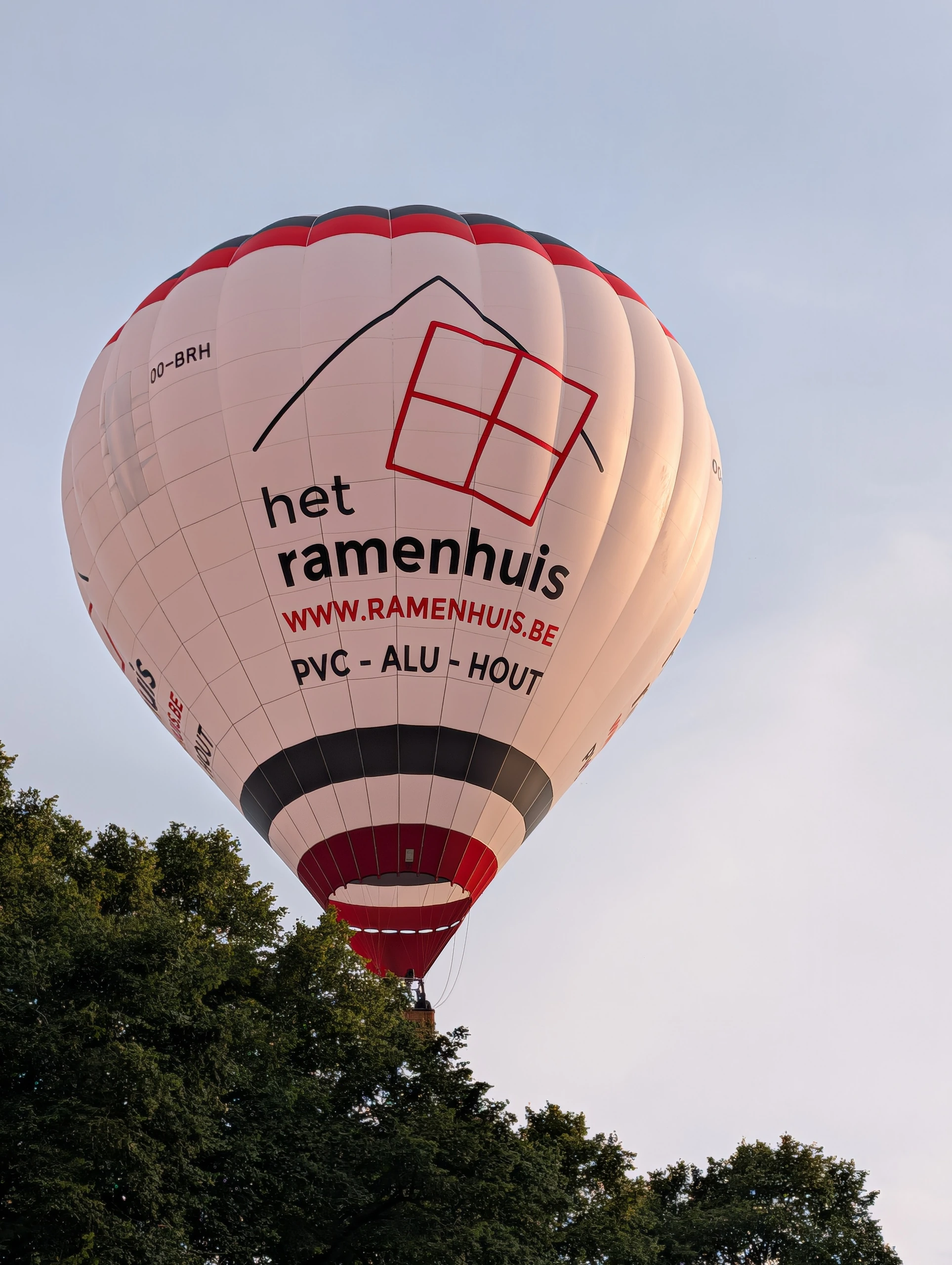
Balloon register: what does OO on a hot air balloon mean?
Every Belgian hot air balloon is in the aircraft register with an OO registration. How to recognise the balloon above your village, and what the letters say.
Read articleThe Montgolfier brothers: the first balloon flight
In 1783 the Montgolfier brothers launched the first hot air balloon. This is how ballooning began, and how the same principle still works today.
Read article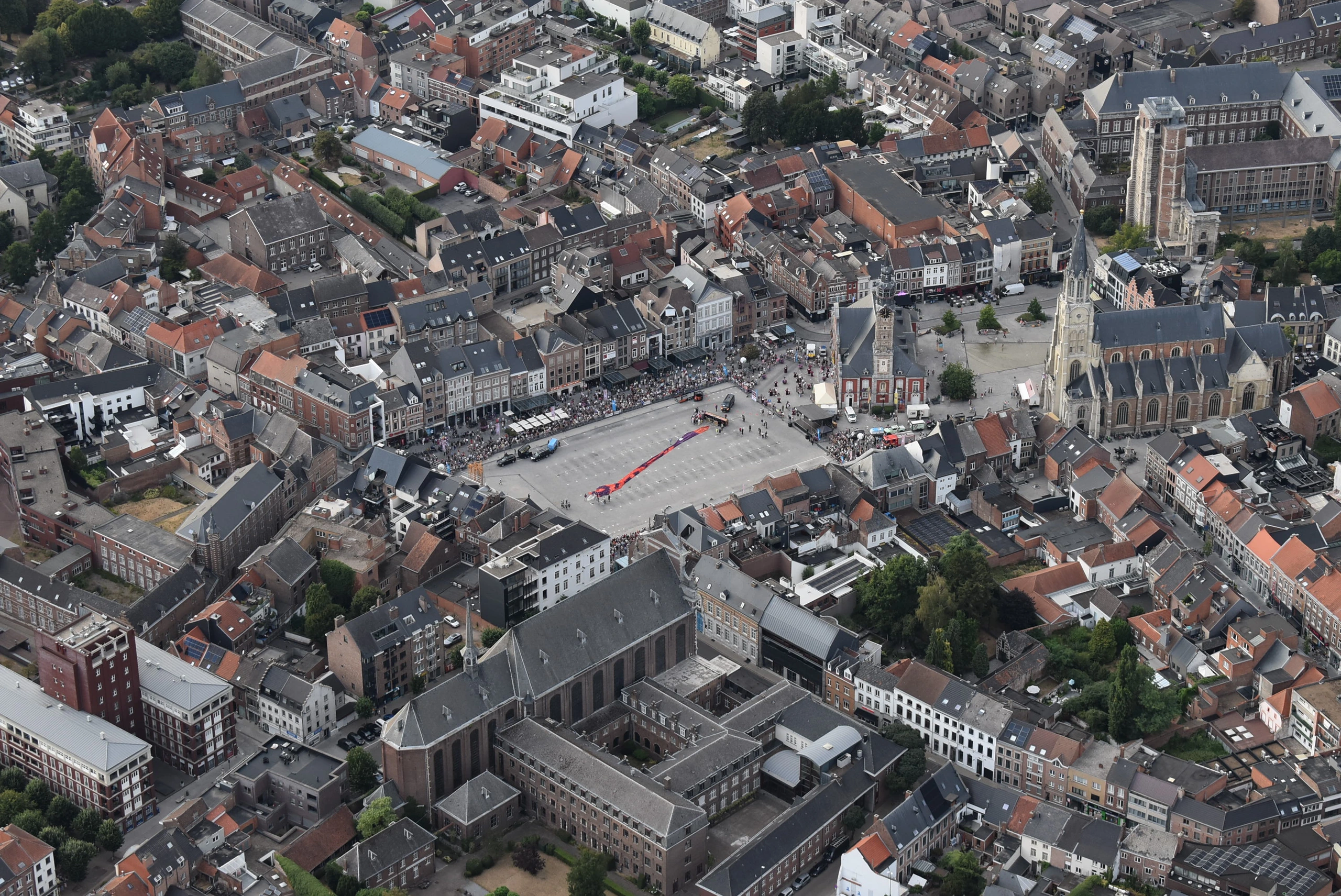
Choosing a hot air balloon experience for anniversary celebrants
Choosing a balloon flight as an anniversary gift? Discover which format suits a wedding anniversary, corporate anniversary, or personal milestone.
Read articleReady to discover Flanders from above?
Book a shared flight or an exclusive private flight in Campine, Limburg or Hageland, with free rescheduling in bad weather.