Is hot air ballooning safe? What you need to know

Hot air ballooning is safe when organised professionally, and that is the case at Ballonnetjevaren.be: we fly as a licensed commercial operator under the oversight of the DGLV and European EASA legislation, with balloons fully maintained every 100 flight hours or at least annually by a certified maintenance organisation (CAO). Chief pilot Yves Lannoy is a meteorology instructor and Head of Training at the KBBF's DTO (the training centre of the Royal Belgian Balloon Federation); pilots undergo annual medical examinations and check flights. We only take off within strict weather criteria: no thunderstorms within 50 km, no thermal activity, wind speeds between 5 and 15 km/h, and at least 5 kilometres of visibility. On board are at least two independent burners with their own gas supply as backup, and the envelope itself slows the rate of descent in the event of complete heat loss, comparable to a parachute. Liability is covered by an aviation-specific insurance policy in line with European regulations, and as a matter of principle we never take off if even one of these safety criteria isn't met.
In this article
- • Is ballooning safe under all conditions?
- • What does the safety of a balloon flight depend on?
- • Under which regulations do we fly?
- • What if something does go wrong during the flight?
- • How safe does ballooning feel in practice?
- • Is ballooning safe for children and older passengers?
- • What happens if the weather turns?
- • How do you recognise a safe provider?
- • And if something does go wrong: what about insurance?
- • Common doubt: is ballooning more dangerous than it looks?
- • When might ballooning not be a good idea?
Anyone going up for the first time almost always asks the same question: is hot air ballooning safe? That isn’t distrust, it’s common sense. After all, you step into a basket, leave the ground, and put your trust in the pilot, the equipment and the weather.
The short answer is yes: ballooning is safe when the flight is organised professionally, the equipment is correctly maintained, and the pilot only takes off when conditions are good. Safety in ballooning doesn’t lie in bravado, but precisely in discipline. Not taking off when the weather raises doubts is often the clearest proof of craftsmanship.
Is ballooning safe under all conditions?
No, and that’s perhaps the most important thing to understand. A balloon flight depends heavily on nature. Wind, visibility, precipitation and thermal activity determine whether a flight is responsible. Unlike many other recreational activities, you can’t simply “work around” the weather here. Weather isn’t a detail, it’s the basic condition.
That’s why professional balloonists usually depart early in the morning or towards evening. At those times, the air is calmer and more predictable. In the middle of the day, sun warmth can cause stronger rising air currents, giving less comfortable or less stable conditions.
What does the safety of a balloon flight depend on?
The biggest factor is the pilot. An experienced balloonist reads the weather, knows the equipment, monitors procedures, and makes decisions without ever gambling. That sounds obvious, but experience really makes a difference in the air.
Equipment also plays a major role. A hot air balloon consists of several parts that must work together perfectly: the envelope, the burner, the gas system, the basket and all attachment points. Professional equipment is periodically inspected and maintained to strict standards.
Under which regulations do we fly?
We fly as a licensed commercial operator under the strict oversight of the DGLV (Directorate-General for Civil Aviation) and European EASA legislation, under an official “balloon declaration”. Our balloons, burners and baskets are fully maintained every 100 flight hours (or at least once a year) by an independent certified maintenance organisation (a CAO, Certified Airworthiness Organization), and every balloon has a legal registration.
Our weather criteria are concrete: no chance of thunderstorms within a 50 km radius, no thermal activity, optimal wind speeds between 5 and 15 km/h at ground level, and at least 5 kilometres of visibility.
What if something does go wrong during the flight?
A hot air balloon can’t “crash” like a plane when the burner fails. On board there are always at least two independent burners, each with their own gas supply — if one fails, the other seamlessly takes over. Should the heat source fail completely, the envelope (up to 8,000 cubic metres) itself acts as a kind of parachute, strongly slowing the rate of descent.
How safe does ballooning feel in practice?
Many people expect tension as soon as the balloon lifts off. In reality, the experience is usually surprisingly gentle. Since you move with the wind, you barely feel any speed.
Landing is the moment people find most nerve-wracking. That’s understandable, since that’s when the balloon makes contact with the ground again. A landing can be very soft, but with more wind it can also feel a bit firmer.
Is ballooning safe for children and older passengers?
That depends on the person, not just age. Ballooning is well within reach for many adults and families, but you do need to be able to stand for a while and brace properly for landing. Very young children aren’t therefore always the best candidates.
What happens if the weather turns?
A professional balloon flight never begins without constant monitoring of conditions. The pilot checks forecasts beforehand and reassesses on site whether taking off is responsible. During the flight too, they keep watching wind direction, speed and possible landing zones.
How do you recognise a safe provider?
If you’re wondering whether ballooning is safe, don’t just look at price or departure region. Look especially at experience, communication and approach. A good provider is clear about weather-dependence, gives clear explanations, and doesn’t take safety rules lightly.
And if something does go wrong: what about insurance?
At a professional operator, this isn’t an afterthought: liability is set out in an insurance policy that complies with strict European aviation regulations. Concretely, this means the operator holds liability insurance specifically tailored to passenger flights in a hot air balloon — not just a general policy.
Common doubt: is ballooning more dangerous than it looks?
To many people, a hot air balloon looks more vulnerable than it is. That’s down to the open basket and the quiet nature of the flight. But that openness doesn’t mean there’s less control.
When might ballooning not be a good idea?
Sometimes the honest answer is that a balloon flight doesn’t suit the moment. For example during pregnancy, certain medical conditions, or limited mobility. Alcohol or reckless behaviour obviously also have no place on a safe flight.
Anyone asking whether ballooning is safe is really asking a deeper question: can I surrender to this with peace of mind? That trust doesn’t come from big words, but from small, consistent choices. A pilot who’d rather wait for better weather. Equipment that’s properly maintained. A clear briefing. And an organisation that turns an extraordinary experience into a genuinely carefree one.
Yves Lannoy
CEO & Chief Pilot at Ballonnetjevaren.be. Chairman of the Royal Belgian Balloon Federation (KBBF) and Vice President of the European Balloon Federation (EBF). With over 30 years of experience and more than 3,000 flights, safety and genuine passion always come first.
Related Knowledge Base Articles
Learn more about hot air ballooning in Belgium.

Sint-Niklaas balloon festival: the Vredefeesten explained
The Sint-Niklaas balloon festival is part of the Vredefeesten, held in early September on the Grote Markt. What to see, and how to fly yourself.
Read article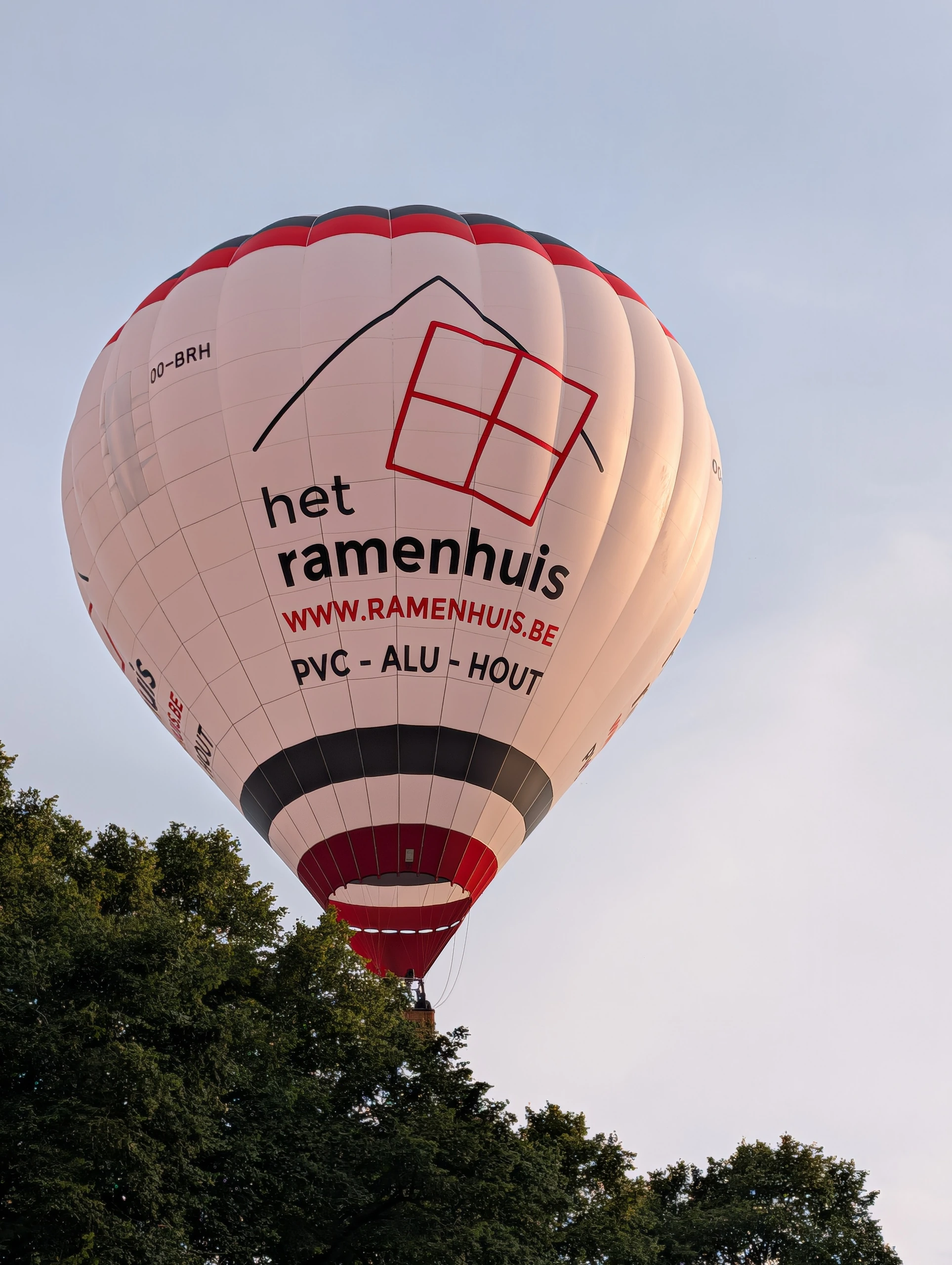
Balloon register: what does OO on a hot air balloon mean?
Every Belgian hot air balloon is in the aircraft register with an OO registration. How to recognise the balloon above your village, and what the letters say.
Read article
The Montgolfier brothers: the first balloon flight
In 1783 the Montgolfier brothers launched the first hot air balloon. This is how ballooning began, and how the same principle still works today.
Read article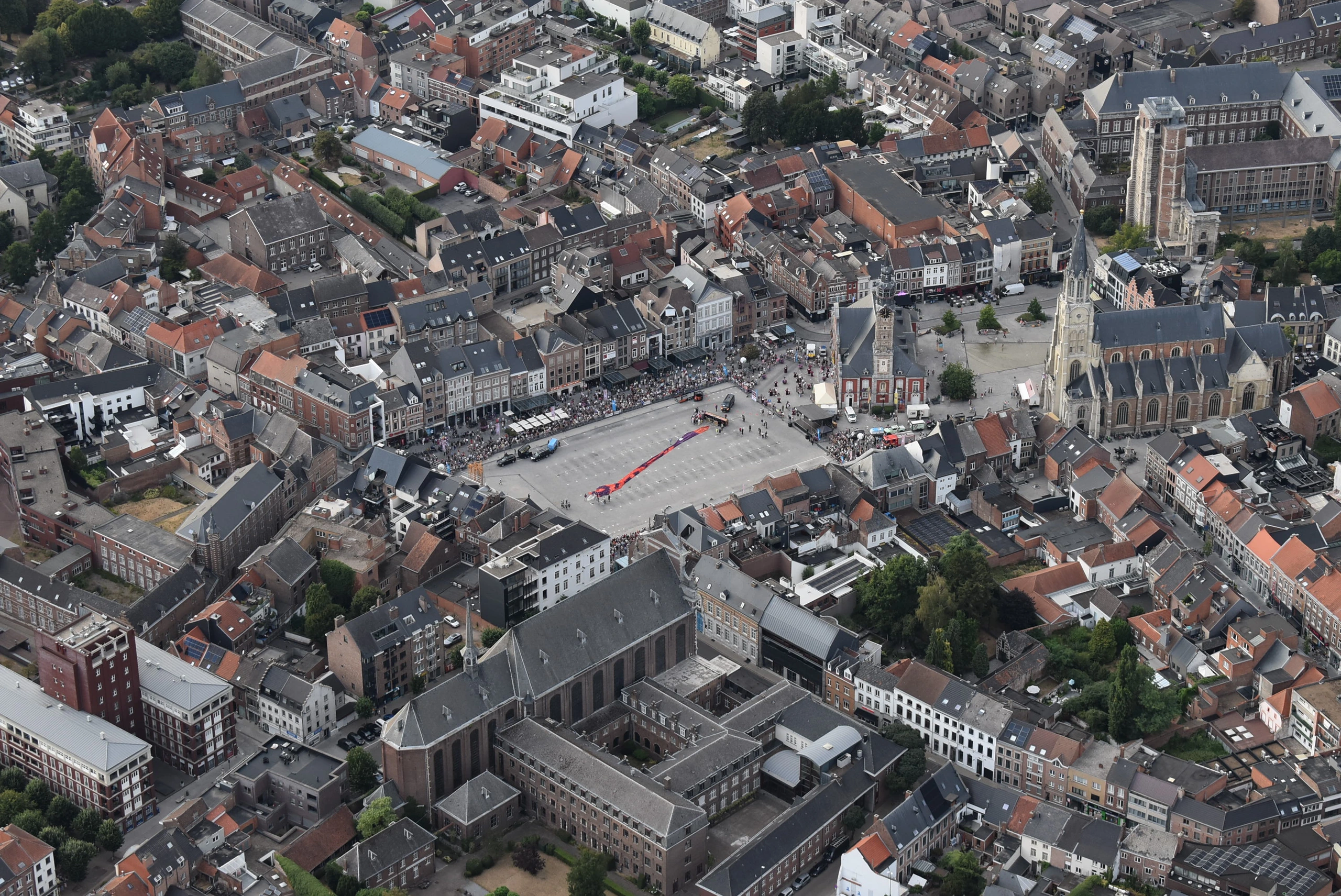
Choosing a hot air balloon experience for anniversary celebrants
Choosing a balloon flight as an anniversary gift? Discover which format suits a wedding anniversary, corporate anniversary, or personal milestone.
Read articleReady to discover Flanders from above?
Book a shared flight or an exclusive private flight in Campine, Limburg or Hageland, with free rescheduling in bad weather.