Hot air balloon radar Belgium: tracking and ADS-B explained
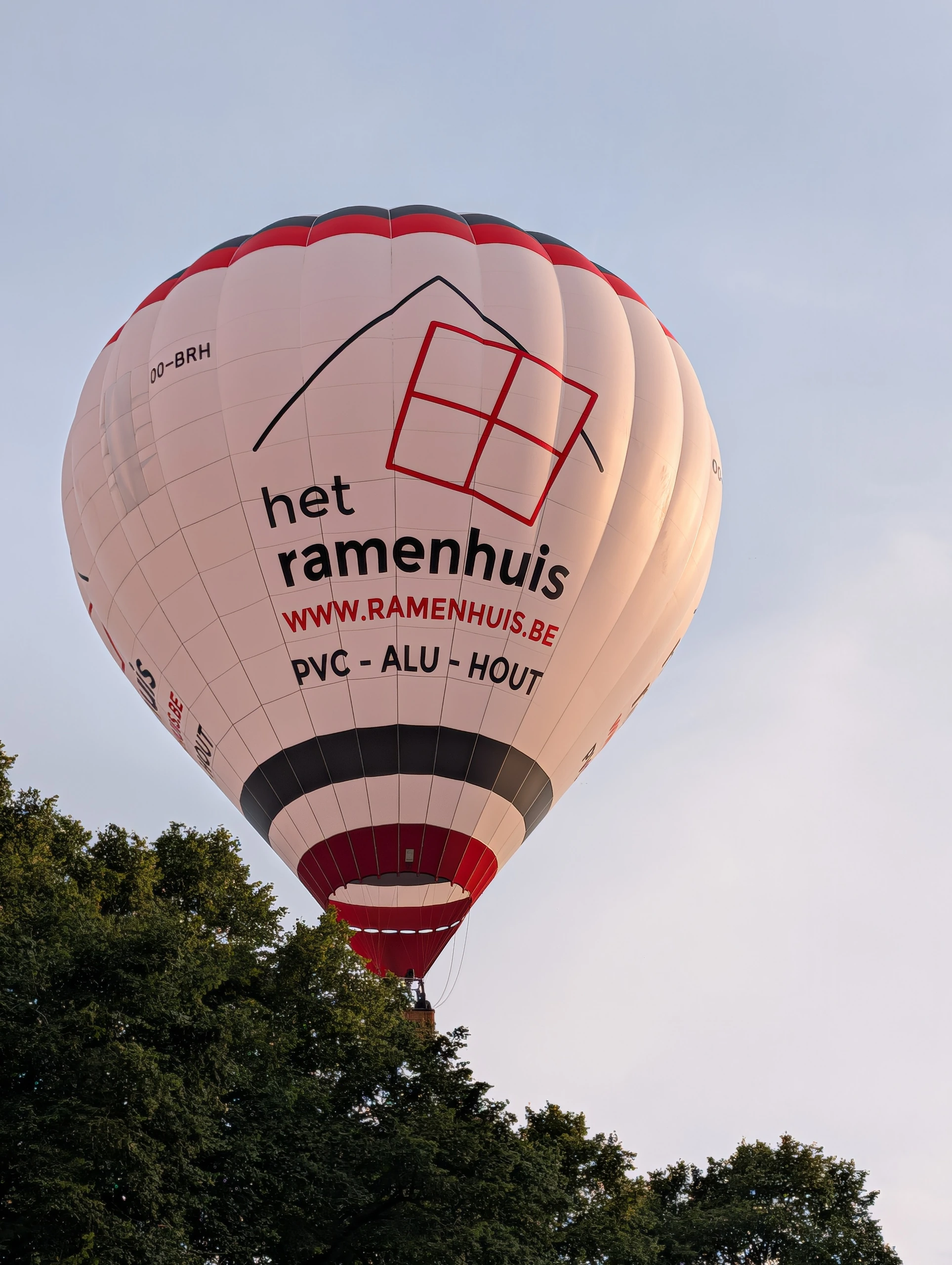
A hot air balloon radar uses ADS-B (Automatic Dependent Surveillance-Broadcast): a transponder on board continuously broadcasts GPS position, flight altitude and speed, so that airspace and air traffic control can always see the aircraft. Our flights at Ballonnetjevaren.be are therefore indeed visible on ADS-B, just like any other aircraft in Belgian airspace. However, we deliberately choose not to publicly display or actively promote that live position via apps like Flightradar24, to protect our passengers' privacy — without this taking anything away from safety, which remains guaranteed via that same ADS-B data and our own ground crew.
Do you see a hot air balloon majestically floating over your town and wonder how the pilot and air traffic control actually track such a craft? Or did you read about “hot air balloon radar” and wonder whether you can follow a Ballonnetjevaren.be flight live online? The answer comes in two parts: how the technology works, and why we deliberately don’t share that data publicly.
In this guide you’ll read how ADS-B tracking works, and why our flights are indeed visible to aviation authorities, but deliberately not publicly trackable via apps such as Flightradar24.
What is a hot air balloon radar and how does it work?
A hot air balloon radar is a digital tracking system that visualises real-time flight data of hot air balloons on a geographic map. Unlike traditional primary air traffic control radar stations (which bounce radio waves off large metal aircraft), a balloon radar works based on ADS-B (Automatic Dependent Surveillance-Broadcast) and secondary transponder technology.
The technology in the basket
- GPS receiver in the basket: the onboard balloon computer or transponder determines coordinates, flight altitude and ground speed with great precision.
- ADS-B Out Transponder (Mode S): this compact aviation device, powered by a lightweight onboard battery, broadcasts a radio signal at fixed intervals on the 1090 MHz frequency.
- Ground receivers & satellites: thousands of volunteers, airfields and networks such as Flightradar24 and ADS-B Exchange pick up this signal and forward it directly to the live online map.
- Live visualisation: within milliseconds you see the hot air balloon icon moving on your smartphone or computer screen.
Which apps and websites show a balloon radar?
For aircraft that do broadcast their position publicly, the following platforms offer the best coverage for Belgian and Dutch airspace. You won’t deliberately find our own flights here — see below why.
1. Flightradar24
Flightradar24 is globally the best-known flight radar. You can filter by aircraft type or zoom in on your province (such as Antwerp, Limburg, Flemish Brabant, or East and West Flanders). Hot air balloons are often displayed with a specific balloon icon or as “GLID” / “BALL”.
- Advantage: very user-friendly smartphone app with 3D display and augmented reality.
2. ADS-B Exchange (ADSBx)
ADS-B Exchange is known among aviation enthusiasts as the most complete and unfiltered tracking system.
- Advantage: while commercial apps sometimes filter private flights, ADS-B Exchange shows every broadcast signal. You immediately see the precise altitude in feet, rate of descent, and flown course.
3. RadarBox & FlightAware
Excellent alternatives with reliable coverage across Western Europe. RadarBox offers clear terrain maps, handy for seeing whether a balloon is flying over forests, fields or bodies of water.
Why do you see some hot air balloons on the radar and not others?
Not every hot air balloon automatically appears on the live radar. That has to do with the aviation legislation in force in Belgium:
| Airspace type | Transponder required? | Visible on balloon radar? |
|---|---|---|
| Class C / D (controlled) (e.g. around Antwerp Airport, Brussels or Liège) | Mandatory (Mode S transponder) | Always 100% visible with altitude and call sign |
| Class G (uncontrolled) (countryside, agricultural zones of Campine/Limburg) | Exempt for VFR day flights | Only visible if the operator voluntarily flies with a transponder |
Why our flights aren’t publicly trackable
At Ballonnetjevaren.be we attach the utmost importance to safety. Under the leadership of master pilot Yves Lannoy (chairman of the Royal Belgian Balloon Federation KBBF), all our hot air balloons are equipped with certified transponders and communication equipment, and are therefore indeed visible on ADS-B — just like any other aircraft in Belgian airspace. Our own ground tracking team professionally follows every flight via 4x4 off-road vehicles and direct contact with the pilot, so that the landing is always followed smoothly and safely.
However, we deliberately choose not to publicly display or promote that live position via apps such as Flightradar24 or ADS-B Exchange. That’s a deliberate choice to protect our passengers’ privacy: whoever stands in the basket decides for themselves whether and with whom they share that moment, without strangers being able to watch on a public map exactly where they are.
That choice never comes at the expense of safety. The ADS-B data continues to simply be broadcast and usable by air traffic control and other nearby aircraft — we only disable public promotion and visibility on consumer apps, not the signal itself.
Frequently asked questions about hot air balloon radar
Can I follow a Ballonnetjevaren.be flight live on my smartphone?
Not via public radar apps like Flightradar24: our balloons do broadcast an ADS-B signal, but we deliberately choose not to publicly display that live position, to protect our passengers’ privacy. Safety remains guaranteed though, since air traffic control and our ground crew follow the flight via that same data and direct contact.
What does the OO or PH registration mean on the radar?
The prefix indicates the country of registration. OO- stands for a Belgian-registered hot air balloon (under supervision of the Directoraat-generaal Luchtvaart DGLV). PH- stands for a Dutch-registered hot air balloon.
How long does a balloon flight last on the radar?
An average balloon flight lasts, purely in the air, about 60 to 75 minutes. On the radar you see the trajectory of take-off, calmly drifting across different wind currents, and the eventual safe landing in an open field.
Want to experience for yourself what it feels like to float high above the landscape, safely tracked but without your flight being publicly followable on a map? Check out our available flights and rates or book a unique private hot air balloon flight directly.
Yves Lannoy
CEO & Chief Pilot at Ballonnetjevaren.be. Chairman of the Royal Belgian Balloon Federation (KBBF) and Vice President of the European Balloon Federation (EBF). With over 30 years of experience and more than 3,000 flights, safety and genuine passion always come first.
Related Knowledge Base Articles
Learn more about hot air ballooning in Belgium.

Sint-Niklaas balloon festival: the Vredefeesten explained
The Sint-Niklaas balloon festival is part of the Vredefeesten, held in early September on the Grote Markt. What to see, and how to fly yourself.
Read articleBalloon register: what does OO on a hot air balloon mean?
Every Belgian hot air balloon is in the aircraft register with an OO registration. How to recognise the balloon above your village, and what the letters say.
Read article
The Montgolfier brothers: the first balloon flight
In 1783 the Montgolfier brothers launched the first hot air balloon. This is how ballooning began, and how the same principle still works today.
Read article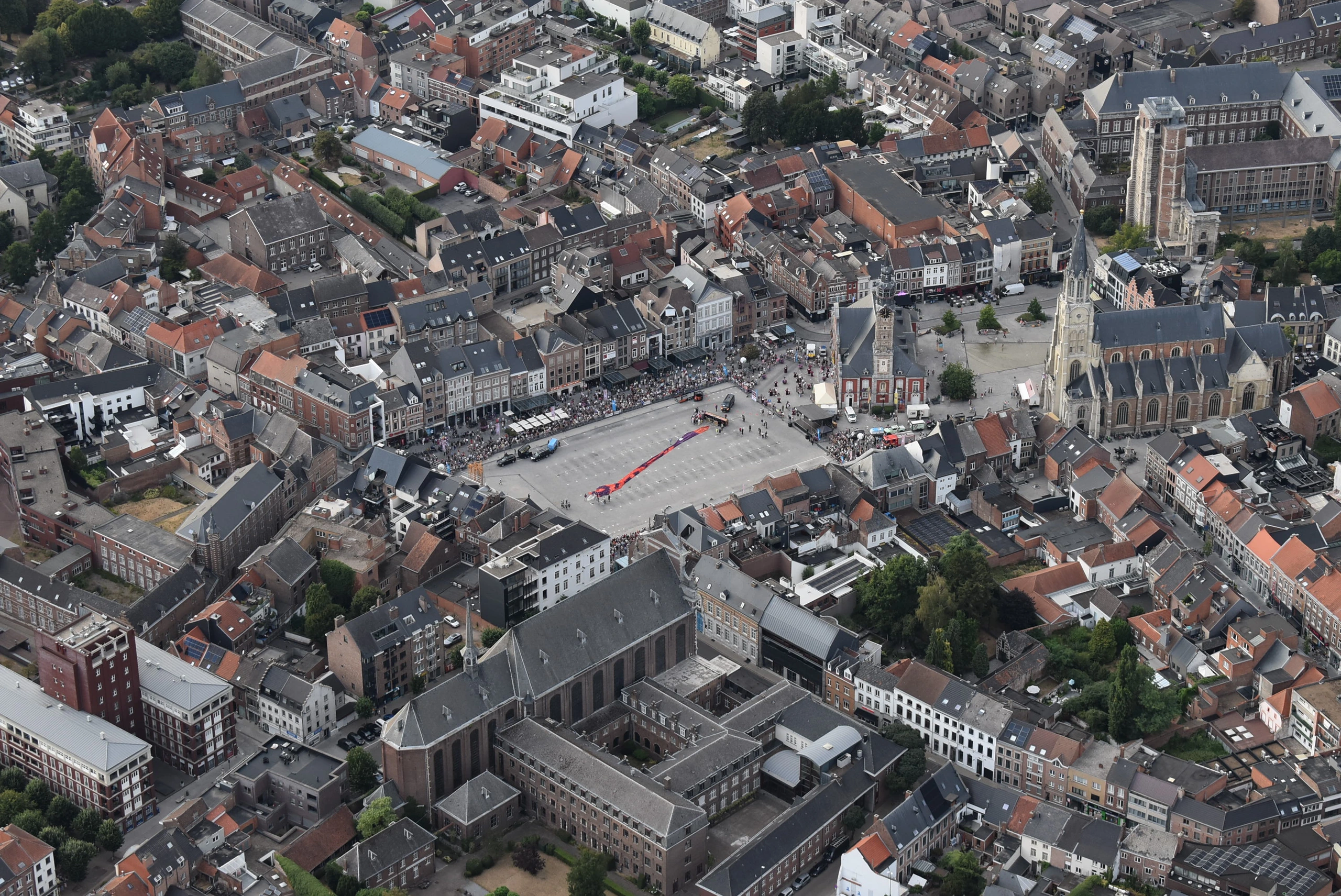
Choosing a hot air balloon experience for anniversary celebrants
Choosing a balloon flight as an anniversary gift? Discover which format suits a wedding anniversary, corporate anniversary, or personal milestone.
Read articleReady to discover Flanders from above?
Book a shared flight or an exclusive private flight in Campine, Limburg or Hageland, with free rescheduling in bad weather.